Home
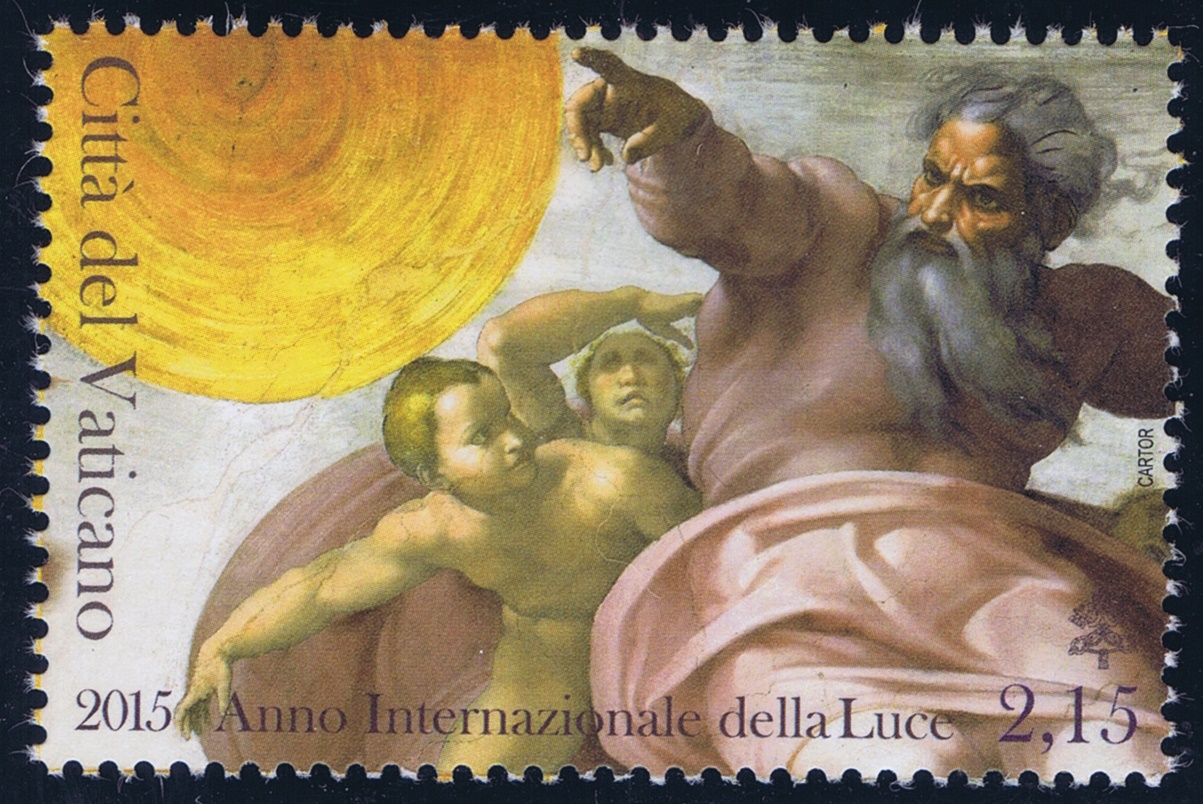
The International Year of Light (IYL) and Light-based Technologies 2015 was a United Nations observance that aimed to raise awareness of the achievements of light science and its applications, and its importance to humankind. Under the leadership of UNESCO, the IYL 2015 brought together hundreds of national and international partners to organize more than 13,000 activities in 147 countries. The audience was estimated to be over 100 million. The major goals of the International Year of Light 2015 were: ● Improve the public understanding of how light and light-based technologies touch the daily lives of everybody, and are central to the future development of the global society. ● Build worldwide educational capacity through activities targeted on science for young people, addressing issues of gender balance, and focusing especially on developing countries and emerging economies. ● Enhance international cooperation by acting as a central information resource for activities coordinated by learned societies, NGOs, government agencies, educational establishments, industry, and other partners. ● Focus on particular discoveries in the history of science that have shown the fundamental centrality of light in the development of knowledge, and highlight the continuous nature of discovery in different historical and cultural contexts. ● Emphasize the importance of basic research in the fundamental science of light, the need for investment in light-based technology to develop new applications, and the global necessity to promote careers in science and engineering in these fields. ● Promote the importance of lighting technology and the need for access to light and energy infrastructure in sustainable development, and for improving quality of life in the developing world. ● Raise awareness that technologies and design can play an important role in the achievement of greater energy efficiency, in particular by limiting energy waste, and in the reduction of light pollution, which is key to the preservation of dark skies. ● Highlight and explain the intimate link between light and art and culture, enhancing the role of optical technology to preserve cultural heritage. ● Maintain these goals and achievements in the future beyond the International Year of Light. UFN's brochure cites the Holy See's contribution to science in the study of natural phenomena and the historic telescopes at Castel Gandolfo to the modern telescope in Arizona. Vatican City marked this event with a stamp based upon a detail from Michelangelo's Sistine Chapel Ceiling fresco on the creation of Light, the Sun, the Moon, and the Stars from Genesis 1: 3-5. The €2,15 stamp was issued in a sheet of ten with a brilliant orange tint to the sheet's selvage. The €2,15 rate covers second step priority mail. Technical Details: Scott Catalogue - 1584 - 1584 Date Issued - 19 February 2015 Face Value - €2,15 Perforations - 13.25x13.25 Printing Process - Offset Printer - Cartor (France) Max Printed - 150,000 |
| (Source - Vatican Notes: Volume: 63 Issue: 364 Page: 4-6 en.wikipedia.org) |