Home
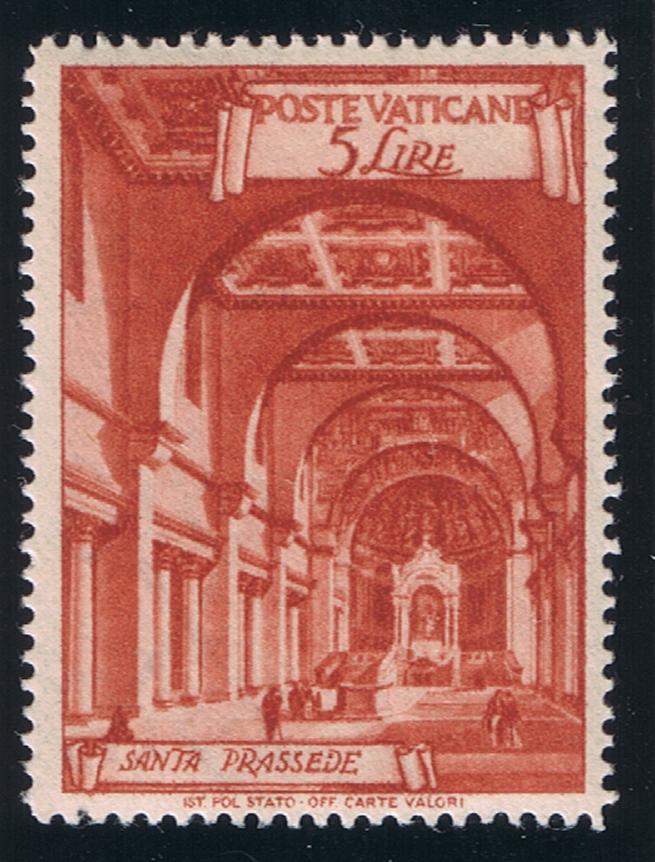 Basilica of Santa Prassede Scott 124 (1949) July 21 serves as the feast day for St. Praxedes (Prassede), a second-century Roman virgin and martyr. One stamp from the 1949 Vatican City Roman Basilicas issue depicts the church named in her honor. St. Praxedes lived in the mid-second century, during the reign of Emperor Marcus Aurelius (161–180 AD). Her father was St. Pudens, a Roman senator who was an early convert to Christianity. Her sister, Pudenziana, is also venerated as a saint of the Catholic Church.  Prassede and Prudenziana, by Antiveduto Grammatica Pinacoteca Vaticana, Vatican Museums From Wikimedia Commons, see credit in References Following the conversion of Pudens, his entire family converted to Christianity. Saint Praxedes is remembered for her deep faith and acts of charity. Along with her sister, she is said to have sheltered persecuted Christians in her home, collected the bodies of martyrs (to ensure they received proper burials), and provided food, clothing, and comfort to the poor. While some traditions say she died a natural death, others suggest she may have been martyred for her faith. Saint Praxedes died in 165 AD at the age of 16, as did her sister Pudenziana. They were buried, along with their father, in the Catacombs of Priscilla. The acts of compassion and courage of Saint Praxedes (and Pudenziana), during a time of Christian persecution, made her a revered figure in early Christian communities. 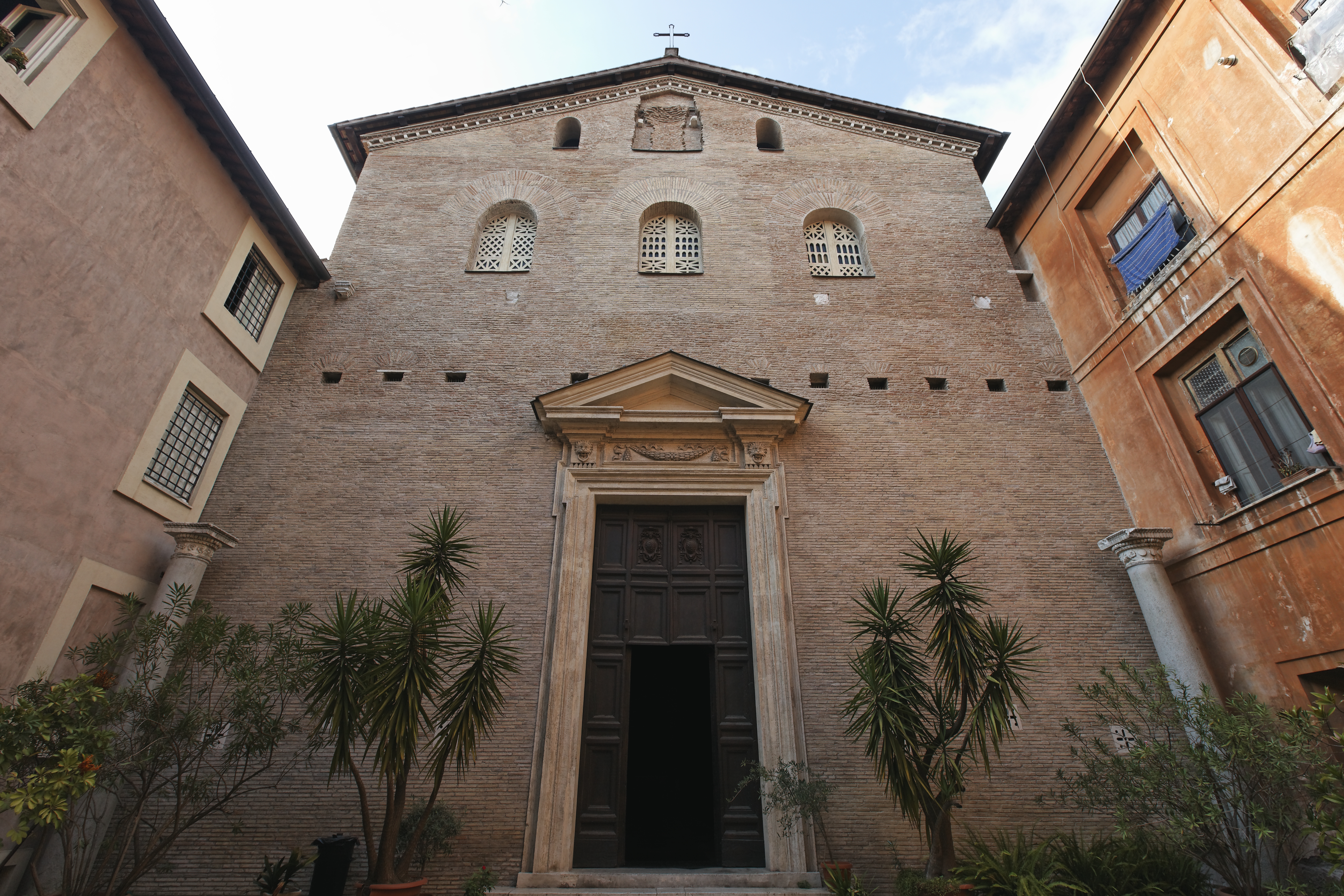
 Façade and Interior and Apse, Basilica of Santa Prassede Photo by Nicholas Hartmann From Wikimedia Commons, see credits in References It is fitting that churches dedicated to Saints Praxedes and Pudenziana lie in close proximity to each other, near the Basilica of Santa Maria Maggiore. Despite its simple exterior and being hidden on a side street leading from Santa Maria Maggiore, the Basilica of Santa Prassede is one of the most beautiful early Christian churches. The original church, built in the 4th century, is believed to be built over the site of the saint's home. Rededicated in the late eighth and early ninth centuries, the basilica houses stunning mosaics, particularly those in the Chapel of Saint Zeno and the apse mosaic, which dates to the 9th century and depicts Christ with saints, and includes both Praxedes and Pudentiana. The confessio under the main altar houses the relics of Saints Praxedes and Pudentiana in an ancient sarcophagus. They were brought to the basilica from the catacombs in 822. 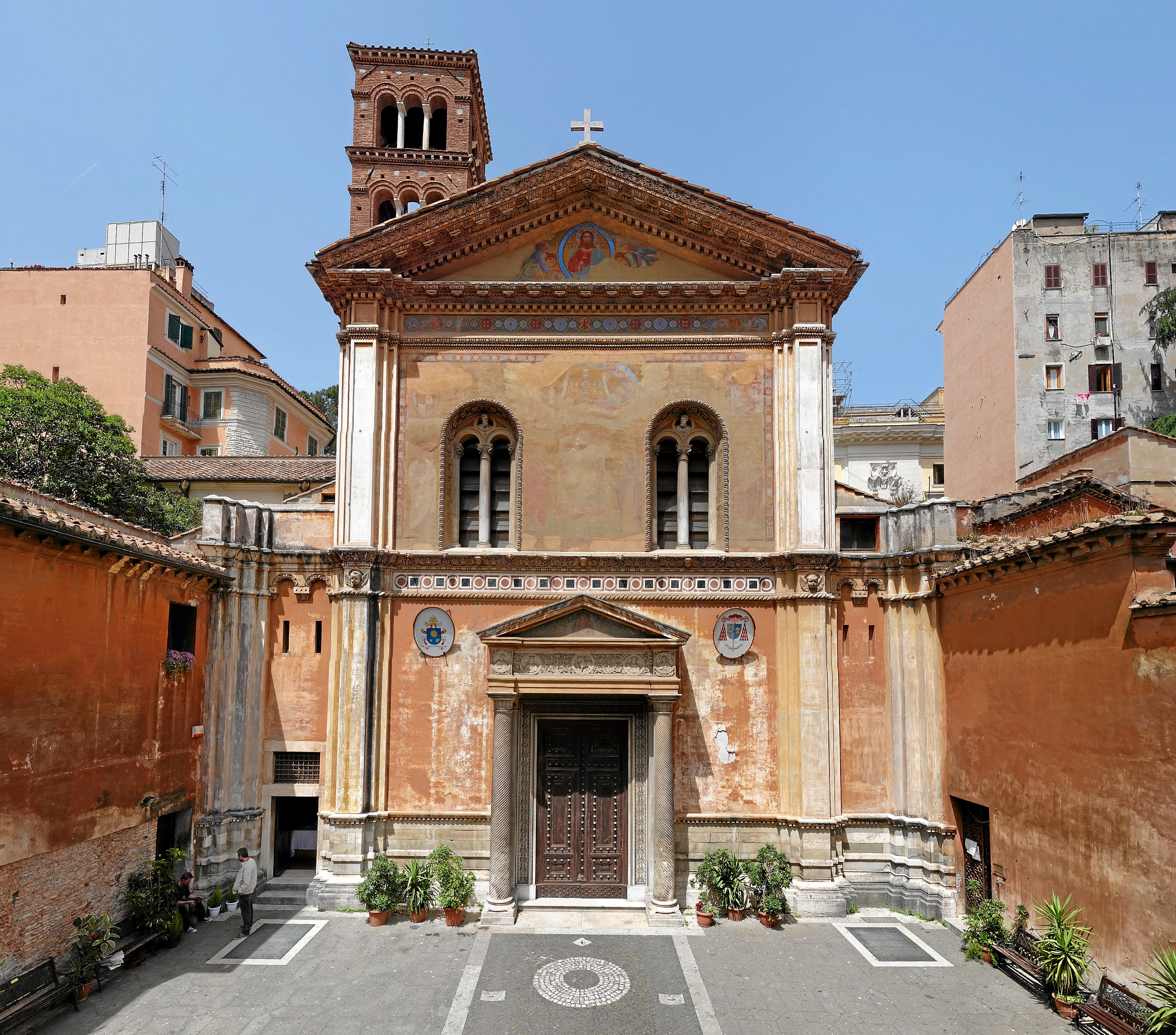
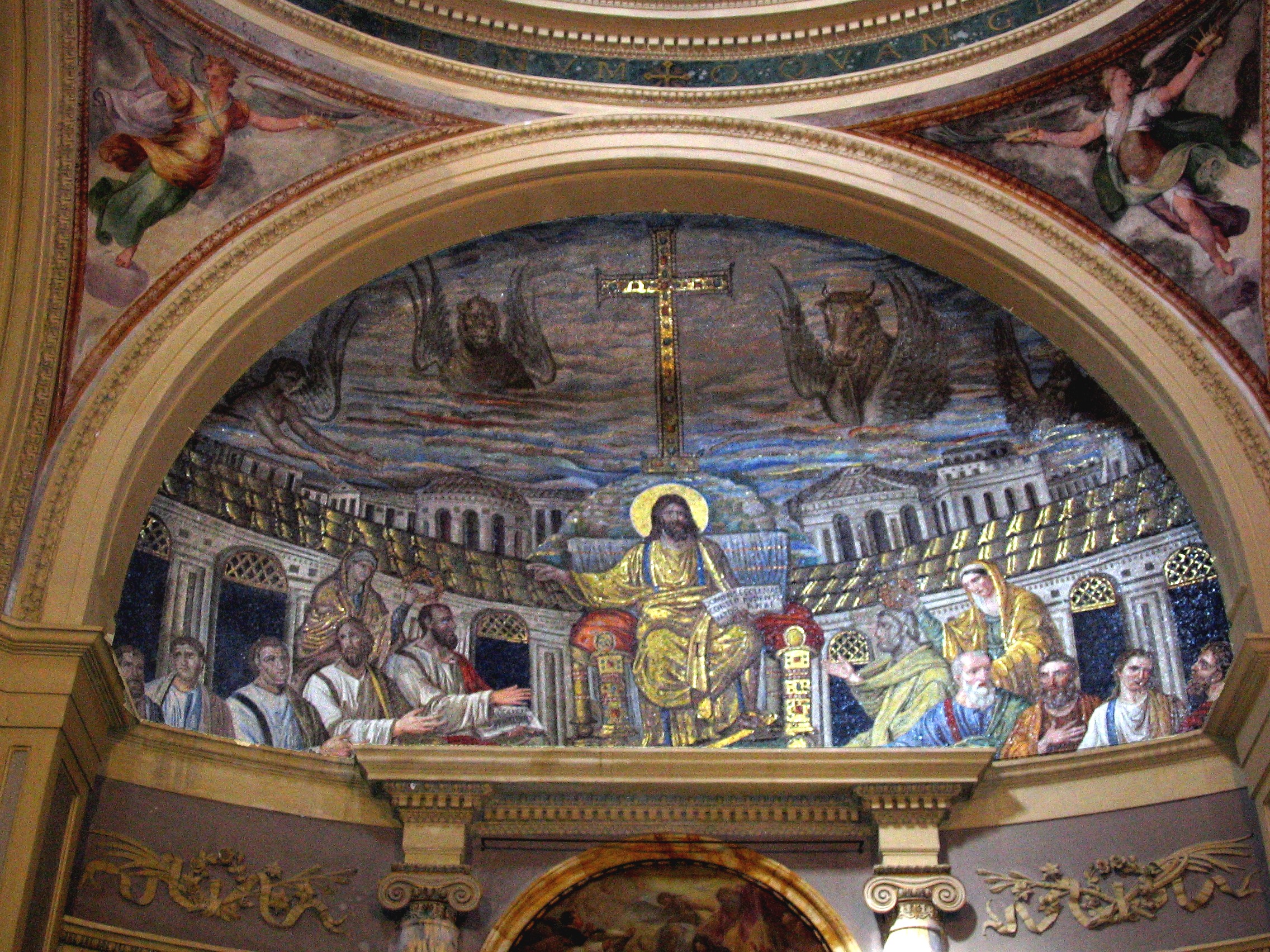 Façade and Apse Mosaic of Church of Santa Pudenziana From Wikimedia Commons, see credits in References The Church of Santa Pudenziana is a five-minute walk from the Basilica of Santa Prassede. It is perhaps the oldest Christian church in Rome, with the original shrine dating to late second century over the site of the home of Saint Pudens. It is believed that Saint Peter stayed at this home and that Saint Pudens was his first convert to Christianity. REFERENCES: * Prassede and Prudenziana, Photo by Sailko, used under the terms of the Creative Commons Attribution 3.0 Unported license * Façade of Basilica of Santa Prassede, Photo by Mari27454, used under the terms of the Creative Commons Attribution-Share Alike 3.0 Unported license * Interior and Apse, Basilica of Santa Prassede, Photo by Nicholas Hartmann, used under the terms of the Creative Commons Attribution-Share Alike 4.0 International license * Façade of Church of Santa Pudenziana, Photo by globustut.by, used under the terms of the Creative Commons Attribution-Share Alike 4.0 International license * Apse Mosaic, Church of Santa Pudenziana, Photo by Sixtus, from Wikimedia Commons, in the Public Domain |