Home
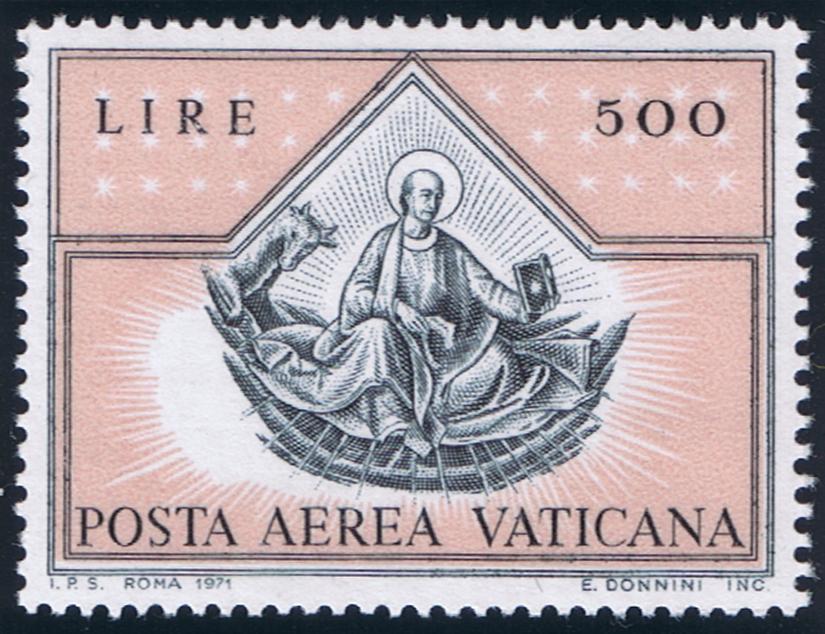
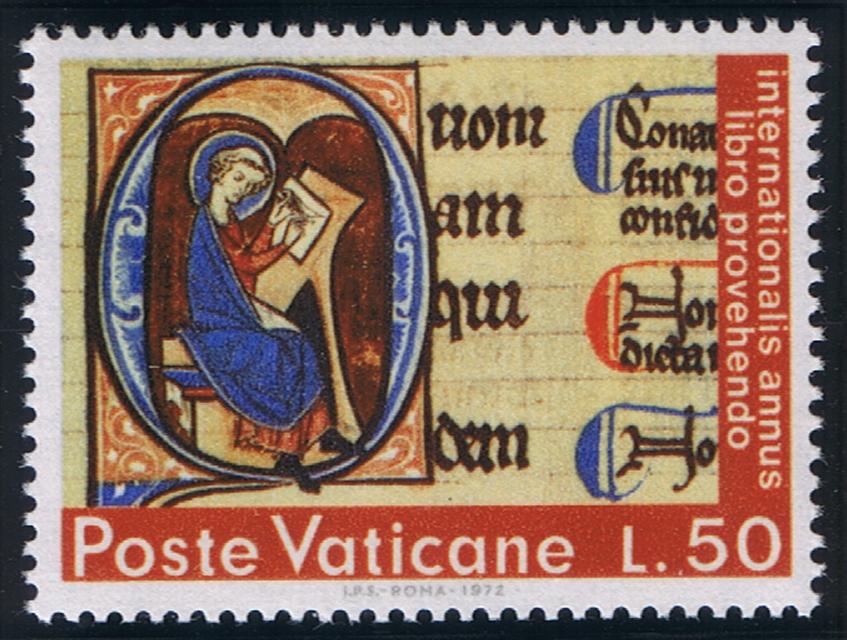 
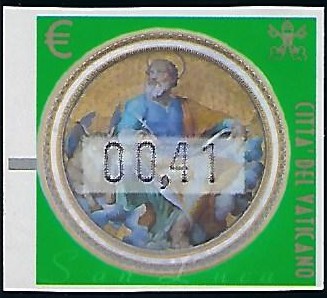
Vatican City stamps featuring Saint Luke: Evangelists Airmail Set, Scott C57 (1971) Beginning of the Gospel of Luke, Scott 522 (1972) International Peace Year (Luke 2:14), Scott 771 (1986) Evangelists Vending Machine Set, Scott V13 (2002) October 18 is celebrated as the Feast of Saint Luke, one of the four evangelists. He is the author of the Gospel that bears his name (which is the longest of the four Gospels) as well as the Book of Acts of the Apostles, and his writings constitute a large portion of the Bible’s New Testament. The four stamps above depict Luke as one part of sets released by Vatican City featuring the Evangelists. Little is known with certainty regarding the early life of Luke. He is believed to have been born in the early first century, sometime between the years 1 AD to 16 AD, in Antioch, Roman Syria (in what is modern-day Turkey). He was born into a Greek family and was not Jewish (he is the only one of the four Evangelists who was a Gentile, or non-Jew). He is believed to have been a physician and was identified as a doctor by Saint Paul in his letter to the Colossians as “the beloved physician" (this is also verified by 4th century Christian historian Eusebius).  1900th Anniversary of Saint Paul's Arrival in Rome Map of Travels from Caesarea to Rome Scott 304 (1961) Luke was a disciple of Saint Paul and accompanied him on his second and third missionary journeys. He appears in Acts during Paul’s second journey, remains at Philippi for several years until Paul returns from his third journey, accompanies Paul to Jerusalem, and remains near him when he is imprisoned in Caesarea. During these two years, Luke had time to seek information and interview persons who had known Jesus. He then accompanied Paul on the dangerous journey to Rome, which included the shipwreck off Malta and Paul’s ultimate arrival in Rome and imprisonment. He remained with Paul during his time in Rome, including his time under house arrest. Paul remembers Luke as a loyal and faithful companion in his second letter to Timothy when Paul states "Luke alone is with me", highlighting Luke's loyalty when others had left or deserted him. It is appropriate that a statue of Luke stands in the cloister of the great Basilica of Saint Paul Outside the Walls.  Statue of Luke the Evangelist Cloister, Basilica of Saint Paul Outside the Walls, Rome Photo by Livioandronico2013 From Wikimedia Commons, used under the terms of the Creative Commons Attribution-Share Alike 4.0 International license The writings of Saint Luke are important components of the New Testament. The Gospel of Luke is written for Gentile converts to Christianity and focuses on the themes of salvation, mercy, joy, and care for the poor. Some of the most memorable passages include the stories of the Good Samaritan and the Prodigal Son, and his account of the Annunciation. In the Acts of the Apostles, Luke traces the spread of early Christianity from Jerusalem out to Rome. In addition to being identified as a physician, Luke is believed to be one of the first Christian iconographers and is credited with painting early portraits of the Virgin Mary and Jesus. Saint Luke died in old age (around the age of 84) between the years 84 AD to 100 AD in Thebes, Achaea (Greece). His exact cause of death is unknown, although it has been described as a martyr’s death. His relics are housed in the Basilica of Santa Giustina in Padua, Italy, as well as in Prague and Thebes. Luke’s symbol is that of a winged ox, representing sacrifice and service. He is the patron saint of physicians, surgeons, artists, painters, and brewers. REFERENCES: |