Daily
|
| Pope Leo I |
| Pope Urban II |
| Pope John Paul II |
| All the Above |
Your answer was: All the Above. |
Answer: The Catholic Church has continuously evolved – and it’s been in no small part due to the men that have served as pope over the years. Some more than others, of course. Let’s take a look back at some of the popes who have defined – and redefined – the Church. (Source: www.sbs.com.au) Leo I - 45th pope (440-461) - convinced Attila the Hun to turn back his invasion of Italy. He wrote the Tome which was instrumental in the Council of Chalcedon (451). It laid out the Church’s stance on the dual (human and heavenly) nature of Christ. Gregory I - 64th pope (590-604) - prompted the first major mission to convert pagans – in this case, the Anglo-Saxons across the Channel. His extensive theological writings and revisions to the manner of Christian worship were highly influential. Even Protestant writer John Calvin thought Gregory was a good guy. Leo III - 96th pope (795-816) - crowned Charlemagne emperor on Christmas Day (800) thereby initiating what would become the Holy Roman Empire, requiring the approval of the pope for its ruler's legitimacy. Urban II - 159th pope (1088-1099) - First Crusade was his plan to bring Christendom back in line and maybe even get the East under control. He also created the Roman Curia, the administrative component of the Catholic Church. Innocent III - 176th pope (1198-1216) - credited with restoring the Church’s position as a check and balance on sovereigns. He directed his attention to the clergy as well, stamping out corruption, and insisting on higher standards of behavior and theological knowledge. Julius II - 216th pope (1503-1513) - known as “The Warrior Pope” due to his spearheading of localized conflicts, His lasting legacy was his patronage of artists like Raphael and Michelangelo, whose Sistine Chapel ceiling artwork he commissioned. Pius IX - 255th pope (1846-1878) - brought attention back onto the spiritual rather than the political. Opened the First Vatican Council; defined the dogma of the Immaculate Conception and defined papal infallibility. John XXIII - 261st pope (1958-1963) - down-to-earth and accessible. He convened the Second Vatican Council to revitalize the Church and improve interaction with the modern world and other faiths. John Paul II - 264th pope (1978-2005) - his regular jaunts around the world to his frequent weigh-ins on everything from communism, war and apartheid to condoms and women, he did much to maintain the Church’s visibility and relevance. Whether or not you agreed with him and his views, there was no denying the significance of his voice. Francis - 266th pope (2013 - Current) - made headlines for his robust leadership style and ultra-modern, less formal approach to the position. It’s an approach summed up by this statement: “Not everything is black over white, or white over black. No! The shades of grey prevail in life.” These are examples of some of the most influential popes. I am sure there are others who have made significant contributions to the evolution of the Catholic Church. 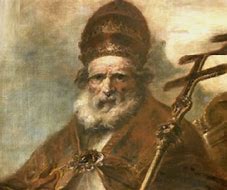
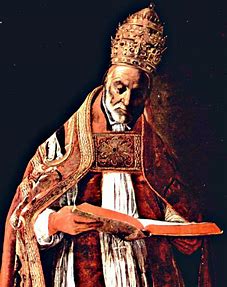
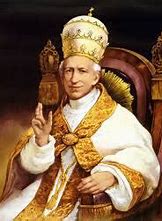
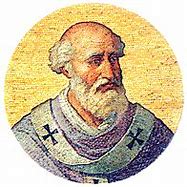
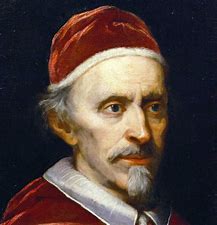
Pope Leo I; Pope Gregory I; Pope Leo III; Pope Urban II; Pope Innocent III 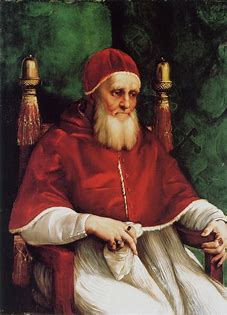
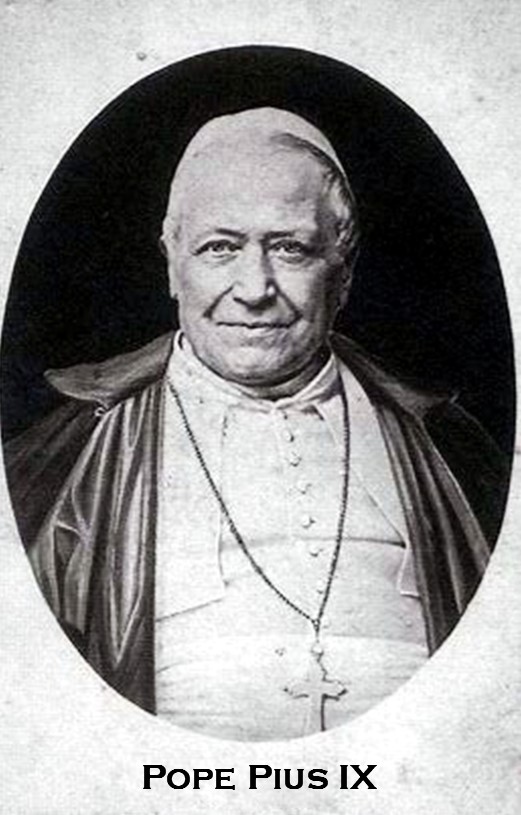


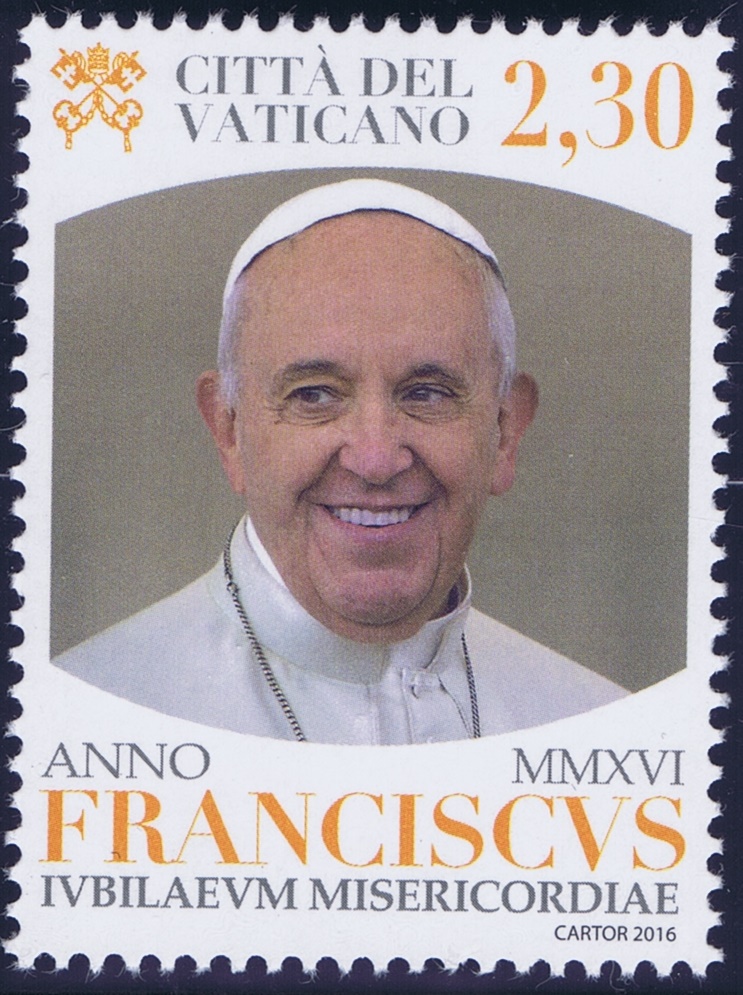 Pope Julius II; Pope Pius IX; Pope John XXIII; Pope John Paul II; Pope Francis |