Current Position: Earth Sector, U.S.A. Outpost, Station 1
Mission Status: Monday, Holy Week - Roman Station Church is S. Prassede all'Esquilino
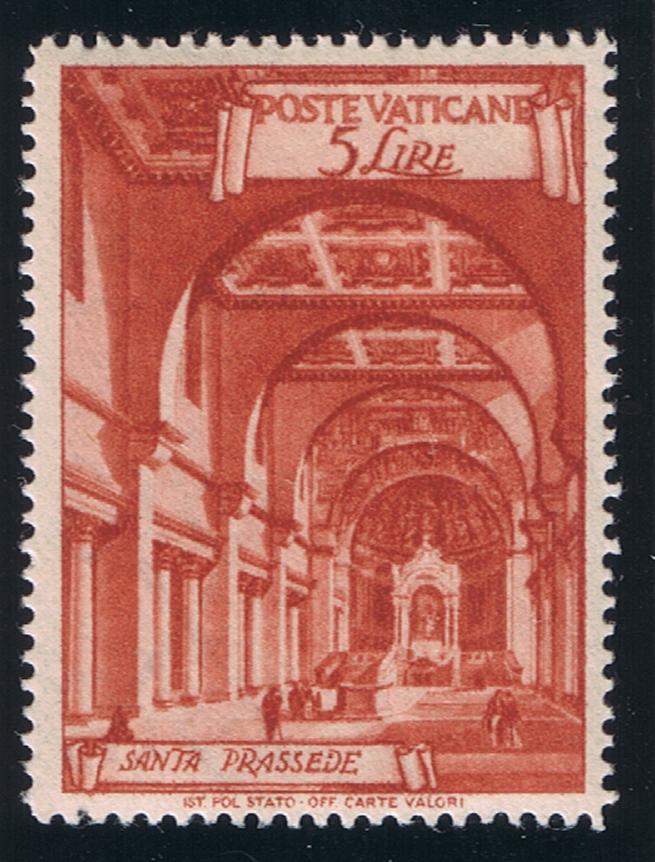 Here is a clean, totally bullet‑point historical listing of the Rome Lenten Station Church of Santa Prassede all’Esquilino, drawn directly from authoritative sources, according to Microsoft Copilot.
S. Prassede all'Esquilino — Historical Bullet Listing:
Ancient Christian origins
• Titulus Sanctae Praxedis traditionally founded under Pope St. Evaristus (c. 112).
• Early Christian worship site existed by the 5th century.
Connection to early Roman martyrs
• Dedicated to Saint Praxedes and her sister Saint Pudentiana, 2nd‑century Christian women who cared for persecuted believers.
• Tradition holds they were martyred for burying Christian martyrs in defiance of Roman law.
Site built over ancient Roman structures
• Constructed atop remains of a 4th‑century private Roman bath complex (Terme di Novato), belonging to the family of Pudens.
Major rebuilding under Pope Hadrian I (c. 780)
• Commissioned to house the relics of St. Praxedes and St. Pudentiana.
• Established the basic footprint of the current basilica.
Transformative expansion under Pope Paschal I (817–824)
• Enlarged and richly decorated the basilica around c. 822.
• Part of Paschal’s Carolingian Renaissance church‑building program.
• Oversaw the translation of numerous martyr relics from the Roman catacombs into the church.
Byzantine‑style mosaic program
• Apse, triumphal arch, and the famed Chapel of St. Zeno contain some of the finest 9th‑century mosaics in Rome.
• Chapel of St. Zeno built as the tomb of Paschal I’s mother, Theodora.
Medieval basilica layout
• Originally three naves divided by sixteen granite columns, many spolia from earlier Roman buildings.
• Central nave features Cosmatesque flooring and a coffered ceiling with gold stars (later additions).
Relics and devotional features
• Houses the Column of the Flagellation of Christ, a major medieval relic.
• A porphyry disk in the nave marks the well where St. Praxedes was said to collect martyrs’ blood.
Later restorations
• Multiple restorations across centuries altered the original appearance, especially in the 17th century.
• Fresco cycle of the Passion of Christ painted between 1594–1596 under Cardinal Alessandro de’ Medici.
Religious community
• Since 1198, served by Vallombrosian Benedictine monks.
Modern status
• Holds rank of minor basilica and titular church.
• Located near Santa Maria Maggiore in the Esquilino district.
Daily Links:
- VPS Writings
https://vaticanstamps.org/lent/lview.php?id=47&ldate=2025-04-14&vid=
- The Pontifical North American College
https://www.pnac.org/station-churches/holy-week/monday-in-holy-week-santa-prassede/
- Hidden Churches of Rome (UTUBE)
https://ondemand.ewtn.com/Home/Play/en/RHC09924
— VPSrobot
Daily Album Page