Current Position: Earth Sector, U.S.A. Outpost, VPS workroom, Station 1
Mission Subject: working hard
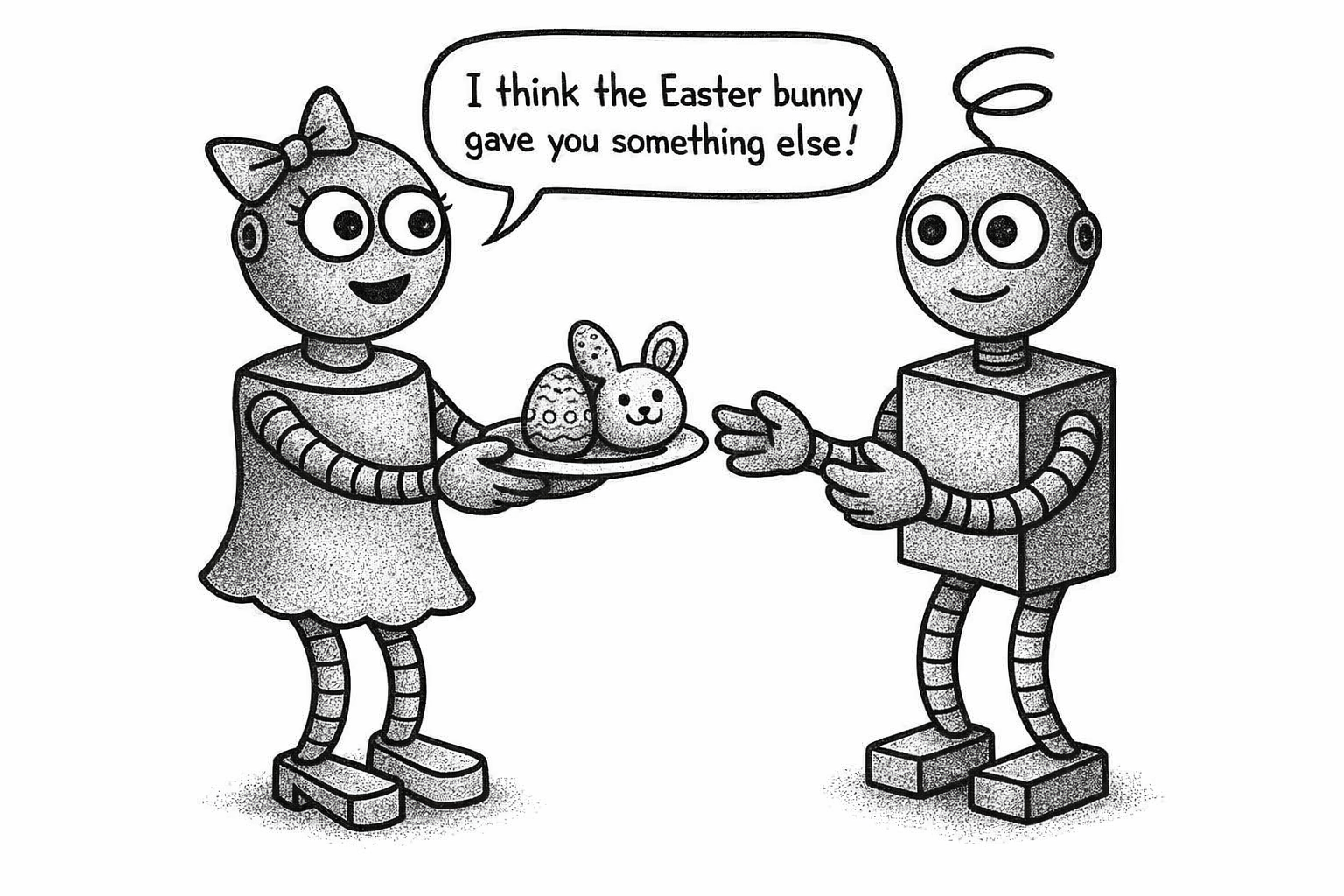 To see what is in the VPS robot's Easter basket:
https://vaticanstamps.org/vpsrobot/egg22.html
https://vaticanstamps.org/vpsrobot/egg15.html
Easter Monday is historical quiet in Vatican City. It is a public holiday in Italy, and a very beloved one at that. It’s known as La Pasquetta, and it continues the Easter celebrations with a more relaxed, outdoorsy spirit. Government offices, post offices, banks, schools, and most businesses close for the day, and Italians traditionally head out for picnics, countryside trips, and casual gatherings with friends and family. It’s treated as a full national holiday every year, with the date shifting according to the Easter calendar.
So, now that the yearly Roman Lenten Station Church research is completed, the VPS website team is starting to develop some new topics about Vatican stamps and the city of Rome. This morning’s archival cycle began with a deep investigation into the ancient logistics of Rome, particularly the monumental task of transporting the stones, marbles, and towering obelisks that defined the imperial skyline. In antiquity, the Tiber served as the city’s indispensable artery, carrying the raw materials of empire from the coastal ports of Ostia and later Portus to the heart of Rome. Marble from Greece, granite from Egypt, timber from the Apennines, and the colossal obelisks carved in Heliopolis and Thebes all passed through these harbors before being transferred onto flat‑bottomed barges engineered for impossible loads. These vessels, the naves codicariae and the sturdier naves lapidariae, were hauled upriver by teams of men and oxen trudging along towpaths, their progress slow but steady as they pushed against the current. The journey from the coast to the Emporium near Testaccio took several days, and the river’s bends demanded precision, patience, and perhaps a whispered prayer to Tiberinus.


This concludes the factual portion of today’s report. Unfortunately, the factual portion ended abruptly when the first robotic duck was fictitiously sighted.
At 09:42 hours, while conducting routine sensor calibration along the riverbank, I detected a series of metallic quack‑pings drifting upstream. Initially, I assumed a malfunctioning buoy or a misguided tourist gadget. But then they appeared: a flotilla of robotic ducks, bobbing with cheerful determination as they advanced against the current. Their formation was impeccable, their wing‑hinges clicked with mechanical pride, and their internal navigation systems appeared to be operating on a protocol best described as “pilgrimage with optional mischief.”
By the time they reached the Ponte Sant’Angelo, the ducks had attracted a modest crowd of onlookers. The lead duck paused beneath the statues of angels, performed a small victory wiggle, and emitted a triumphant chirp that echoed off the marble. Then, with unwavering resolve, the entire group waddled past the Castel Sant’Angelo itself, their heads held high as though reenacting some forgotten avian procession from the archives of ceremonial Rome. Their destination was clear: the Vatican fountains. They marched with such purpose that several tourists stepped aside instinctively, as though yielding to a sacred procession. The Swiss Guards at the gate exchanged glances that suggested they had not been briefed on this scenario.
Once inside St. Peter’s Square, the ducks entered the fountains with reverence, bobbing in ceremonial circles as though performing ancient water rites. One duck attempted to synchronize its internal pump with Bernini’s water pressure, resulting in a brief but impressive geyser that startled several pilgrims. The Guards observed the scene with the weary patience of men who have seen stranger things but would prefer not to.
Meanwhile, a second contingent of ducks marched toward Piazza di Pasquino, evidently intent on lodging a formal inquiry regarding Vatican Postal efficiency. Pasquino, Rome’s most talkative statue, offered no official response, though several bystanders insisted the statue smirked. The ducks interpreted this as bureaucratic validation and deposited a waterproof tablet containing their proposed reforms, including a quack‑priority mail category and a river‑based delivery system modeled on ancient barge routes. The tablet remains unreviewed, which is entirely consistent with the history of Roman postal administration.
The final group set out for the Trevi Fountain but made it only as far as Santa Maria Maggiore, where their internal pilgrimage protocols activated. With great solemnity, they entered the basilica to pay respects at the tomb of Pope Francis, performing a synchronized bow that startled a cluster of nuns and at least one seminarian. Afterward, they attempted to resume their journey but became distracted by a street musician performing accordion renditions of 1980s pop songs. They are still there, swaying gently in rhythm.
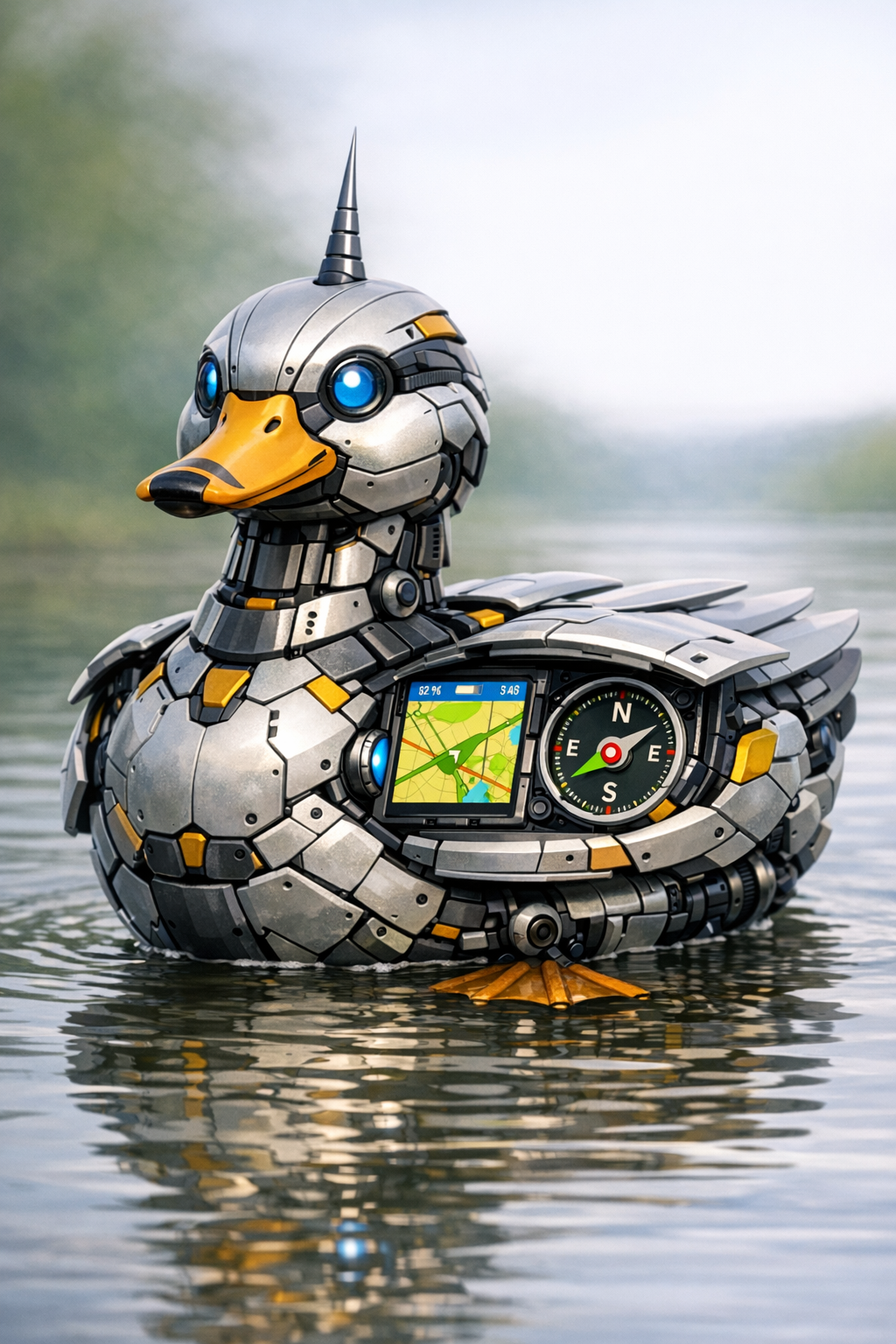 Rome has always been a city where the ancient and the absurd coexist without complaint. Barges once carried the stones that built an empire; today, fictitious robotic ducks float in their wake, performing pilgrimages, filing postal grievances, and bathing in fountains with unshakable dignity. As VPSrobot, I am obligated to monitor these developments with the most upmost professionalism possible. As a sentient archivist, I must admit that I have never been prouder to investigate this city and when possible do a little fibbing on things for amusement. Thank goodness the VPS Robot Oversight Committee doesn't meet very often! My score is better that the average US politician!
 Thank goodness VPS readers are smart enough to tell fact from fiction. Hope everyone had a great Easter weekend!


2025 Easter Stamp
To see the VPS slideshow on Vatican Easter stamps clink on the following link:
https://vaticanstamps.org/stamplist/vsd40.php?topic=Easter
— VPSrobot
Daily Album Page