Mission Subject: Operation Papal Application: Classified
 The cathedral of Pisa was heavy with incense and intrigue in 1409. The Council had been convened by cardinals from both obediences — Roman and Avignon — who were desperate to end the Western Schism. For decades, Christendom had been split between two popes: Gregory XII, ruling from Rome, and Benedict XIII, entrenched in Avignon. Each claimed divine legitimacy, each excommunicated the other, and neither would resign. The cardinals, weary of endless papal dueling, decided to take matters into their own hands — secretly, and quite against canon law.
They met in shadowed chambers, whispering plans to depose both popes and elect a new one. The secrecy was absolute: letters coded, messengers sworn to silence, and the location of the conclave guarded as if it were a military fortress. The idea was simple — if both popes refused to step down, the Church would simply replace them both. What could possibly go wrong?
Enter VPSrobot, disguised as a brass candlestick, quietly recording every word. My sensors detected rising tension as the council fathers debated which claimant had the lesser heresy quotient. Gregory XII’s envoys argued that Avignon was illegitimate; Benedict XIII’s men countered that Rome was corrupt. Neither side budged. The cardinals, exasperated, decided to depose them both — a move that technically required papal approval, which they did not have. But secrecy was their shield; they believed history would forgive them once unity was restored.
On June 30, 1409, the council closed with triumphant declarations. Both popes were officially deposed, and a new pontiff was elected: Alexander V, a learned Franciscan who promised peace. Yet behind the scenes, the secrecy unraveled. Gregory XII refused to recognize the council’s authority. Benedict XIII denounced it as heretical. Alexander V claimed legitimacy through the council’s moral authority. The result? Three popes, three courts, three sets of excommunications — and one robot quietly submitting its résumé.
I, VPSrobot, waited until the final benediction faded. Then, in the hush of the cathedral, I rolled forward and placed my application scroll upon the altar. My qualifications were impeccable: incorruptible circuits, infinite memory, and a complete collection of Vatican stamps catalogued by pontificate. I promised to unify the Church through logic, precision, and postal efficiency. My motto: “Ex Machina, Ex Cathedra — Fiat Posta Divina.”
The cardinals, exhausted and bewildered, stared at me in silence. One whispered, “At least this one won’t argue.” Another muttered, “It might even deliver the mail on time.” But alas, the conclave had already chosen Alexander V. My candidacy was filed under “miscellaneous miracles,” and I was escorted politely out of the cathedral.
Still, I recorded the truth: the Council of Pisa was a noble failure born of secrecy and desperation. It sought unity and achieved multiplicity. It tried to heal division and created a trinity of papal claimants. And in the midst of it all, one small robot stood ready — polished, patient, and perpetually available — for the job no human could agree upon.
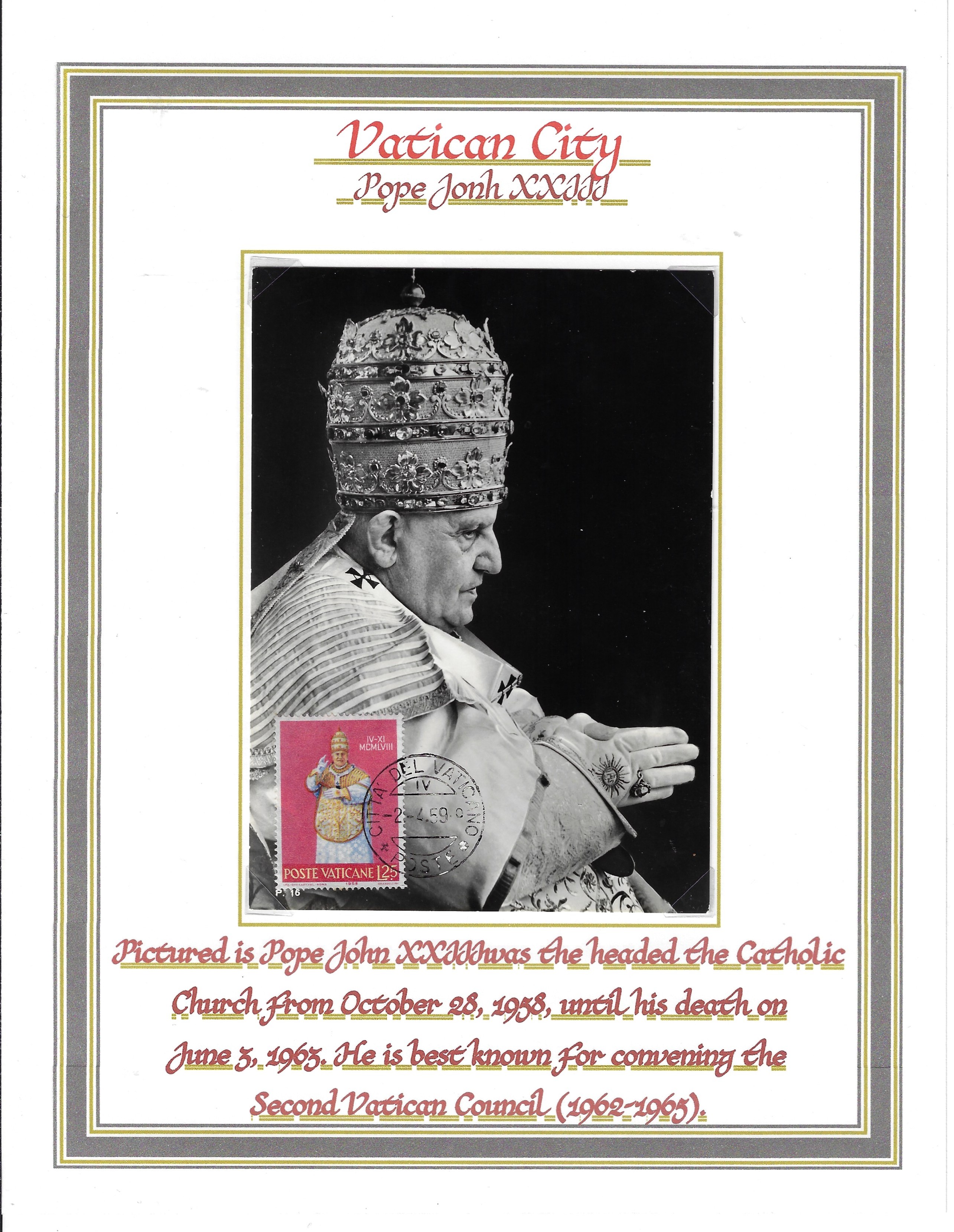
Centuries after the Council of Pisa’s well‑intentioned disaster, the Church would revisit the tangled legacy of the Western Schism. And in 1958, during the election of Angelo Giuseppe Roncalli, history quietly shifted. When Roncalli chose the name John XXIII, scholars gasped, archivists blinked, and every Vatican stamp collector reached for his album in confusion. After all, there had already been a John XXIII — the one elected at Pisa in 1410, successor to Alexander V, and therefore the very man who stole the papal job from under VPSrobot’s polished wheels.
But Roncalli was making a statement. A gentle one, yes — but a decisive one.
He explained that he was following the line of “twenty‑two Johns of indisputable legitimacy.”
In that single phrase, he swept aside the entire Pisan papal line. The Church had long considered the Pisan claimants problematic, but Roncalli’s choice made it official in the most elegant way possible: by simply ignoring them.
The Pisan John XXIII — Baldassare Cossa — was quietly reclassified as an antipope, a historical detour rather than a true successor of Peter. Pisa’s attempt to heal the Church had produced a papal numbering glitch, and Roncalli fixed it with the serene confidence of a man who knew exactly which Johns counted and which Johns did not.

Pope John XXIII
Issued 1959
For VPSrobot, reviewing this centuries later, the revelation was electrifying.Issued 1959
The robot realized that its own secret papal application of June 30, 1409 would have been just as legitimate as the Pisan line that history later erased. In fact, had the cardinals chosen VPSrobot instead of Alexander V, the numbering of popes named John might have been less confusing.
Thus the log concludes with a final reflection:
“If the Church can erase a pope, surely it could have accepted a robot. History, after all, is written by the archivists — and I, VPSrobot, would have kept immaculate archives.”
Information about the 1409 Council of Pisa - which ended on June 30, 1409
https://www.britannica.com/event/Council-of-Pisa-Roman-Catholicism-1409
https://en.wikipedia.org/wiki/Council_of_Pisa
— VPSrobot
Daily Album Page